
Making Steps and Landings Safe
By Scott Cohen
Steps and landings are among the most common of all elements in landscapes. Just about any setting involving a vertical transition will include steps of some sort, and there's no better design element than a landing to establish a means of changing directions or looking out on a desirable view.
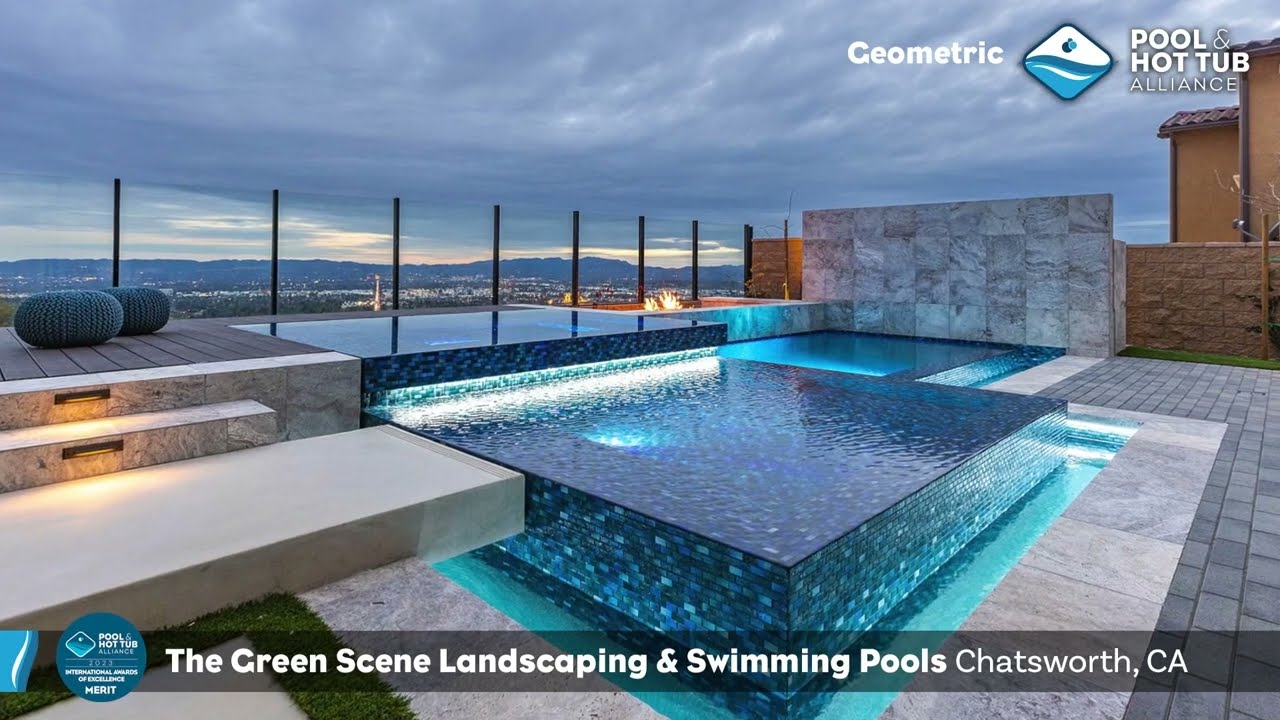
Such elements can be highly formal, trimmed out with fancy pilasters, balustrades and railings. Or they can be extremely organic, composed of nothing more than flat stones or repurposed broken concrete. And the possibilities between those extremes are virtually limitless. |
 |
All too often, however, these elements enter into projects as afterthoughts — things to be defined and implemented after other, “sexier” issues are settled. Sometimes that works, but often it’s a huge mistake, especially with steps. First, steps are important visually, and our attention is often drawn to the transitions they embody. Second, people use them to go up and down, which presents significant safety hazards depending on the individuals’ ages, physical abilities and a long list of other factors.
For the moment, let’s set aside the aesthetics and focus on safety.
Scenario: Fortunately, I’ve never been involved in a lawsuit where anyone filed for damages because they were hurt on unsafe steps (knock on wood!). Just the same, I have seen many installations that take my breath away, not because they’re beautiful but because of the hazards I see.
|
|
The most common issue here is improper tread-to-riser ratios, followed by steps being difficult to see because of the way they blend in with the surrounding hardscape, and by steps being built at irregular intervals. Then there’s the immutable fact that the sun goes down — and all too often I find lighting systems that eliminate shadows, making the steps hard to see.
All of these issues lead to potential hazards for people ascending and especially descending these steps. And while safety may be my main concern here, I am aware that lots of steps foster feelings of insecurity in a space. After all, when a person feels obliged to concentrate on their footing they become uneasy, which more or less defeats the purpose of creating great places in which to move around and relax. |
 |
To read the entire article, buy THE CANDID CONTRACTOR: Lessons Learned From The Construction Defect Expert Witness Files of Scott Cohen
Contractors and homeowners will save thousands of dollars with this new book from Scott Cohen of HGTV fame. Cohen pulls back the veil on common construction mistakes with pools, ponds, decks and associated structures, explaining how to remedy them when they occur – or, better yet, avoid them entirely.
|
|
Scott Cohen is president and supervising designer of The Green Scene, an outdoor design and construction firm based in Northridge, CA. He provides consultation for clients nationwide and gives seminars on designing landscapes, swimming pools and outdoor kitchens. |